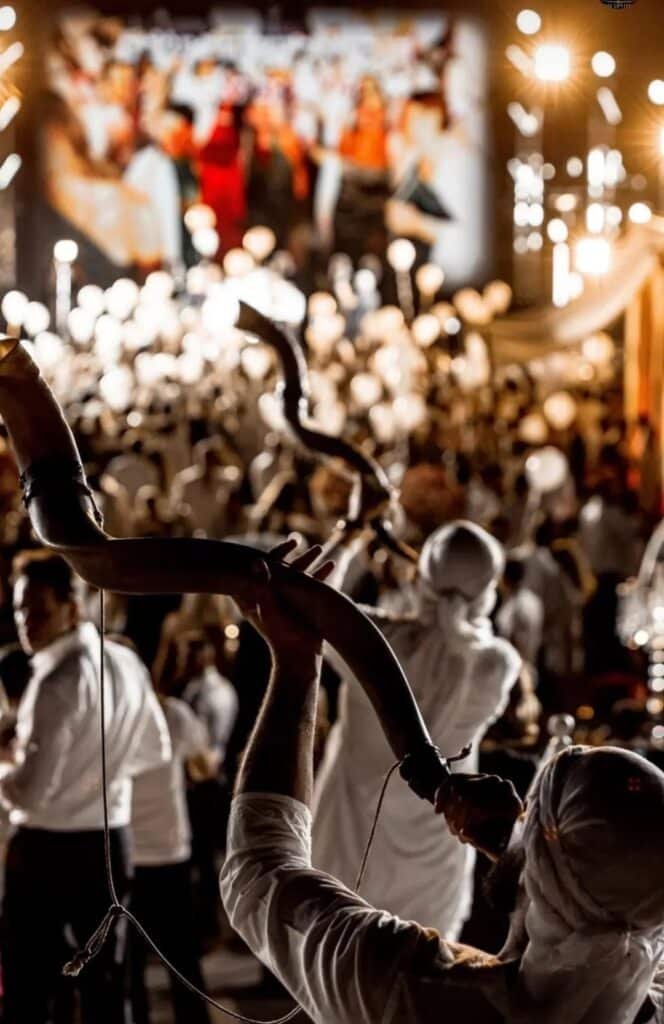
Jewish music and piyyut (liturgical poetry) have a deep and historical connection that has been passed down through generations for centuries. Piyyut, which combines poetry with prayer, originated mainly in the Sephardic and Mizrahi Jewish communities. These sacred songs were composed by renowned poets and became integral to Jewish culture and religious practice.
The History of Piyyut
Piyyut has its roots in the Middle Ages, with prominent figures like Rabbi Yehuda Halevi, Rabbi Shlomo Ibn Gabirol, and Rabbi Avraham Ibn Ezra writing poems that became foundational to Jewish liturgical tradition. These piyyutim were incorporated into synagogue prayers and served as a means to convey religious and spiritual messages, expressing the deepest emotions of the worshippers.
Jewish music developed alongside piyyut, becoming an essential tool for enhancing the prayer experience. Piyyutim such as “Lecha Dodi,” “Yedid Nefesh,” and “Adon Olam” were written in various musical styles, suitable for public singing and integrated into the framework of synagogue worship.
Music as a Medium for Piyyut
Over the centuries, music became a vital medium for conveying piyyutim. Each Jewish community, whether in Europe, North Africa, the Middle East, or Israel, developed its unique musical style for performing piyyutim. These styles range from classical Ashkenazi tunes, through emotionally charged Mizrahi piyyutim, to contemporary Hasidic music.
One of the distinctive features of musical piyyut is the use of traditional instruments such as the oud, qanun, and darbuka, alongside Western instruments like the violin and piano. The combination of these instruments creates a rich and diverse musical experience that brings piyyutim to life.
Integrating Piyyutim into Modern Events
In recent decades, there has been a revival of traditional piyyutim, with musicians like Elior Itzkovitz Cohen performing piyyutim in contemporary and modern arrangements. Incorporating piyyutim into private events such as weddings and bar mitzvahs brings this ancient tradition back to center stage, creating a deep connection between Jewish tradition and modern life.
Piyyutim, historically performed in synagogues, are now finding their place in joyous celebrations, adding a spiritual and unique dimension to these events. The use of live music to perform piyyutim at private events allows guests to experience the emotional and religious depth of the piyyut, connecting them to their Jewish roots.
Piyyutim as a Source of Musical Inspiration
Piyyutim are not just prayers but also a source of inspiration for musicians and composers. In recent years, new arrangements of ancient piyyutim have been created, blending different musical styles such as rock, jazz, and electronic music. These arrangements bring piyyutim to new audiences, demonstrating the enduring relevance of piyyut in the modern era.
Musicians like Elior Itzkovitz Cohen successfully take piyyutim from the sanctuary to the stage, integrating them into contemporary music that resonates with a wide and diverse audience. In this way, Jewish music and piyyut continue to live and evolve, becoming an important tool in bridging generations